Introduction
Cast stone is a popular architectural material that combines the appearance of natural stone with greater flexibility, consistency and affordability. It is widely used for features such as porticos, window surrounds and cills, coping stones, pier caps and other decorative details that can enhance the character and value of a property.
The main disadvantages of cast stone are the need for correct installation, careful product specification, consideration of weight and potentially longer lead times for bespoke designs. However, these challenges can be effectively managed through expert advice, proper planning and choosing the right products for your project.
While cast stone offers many advantages, including durability, design flexibility, the wow factor and affordability compared to natural stone, like any building material it requires careful planning, correct installation and suitable maintenance to achieve the best results. In this guide, we explore the main disadvantages of cast stone, including cracking, installation requirements, weight considerations and bespoke lead times, while explaining how these challenges can be overcome to ensure a successful and long-lasting installation.
What Is Cast Stone
Cast stone is a high-quality architectural masonry material designed to replicate the appearance of natural stone. Manufactured from a carefully controlled blend of natural aggregates and additives, it offers the look and texture of quarried stone while providing greater consistency, flexibility and cost-effectiveness.
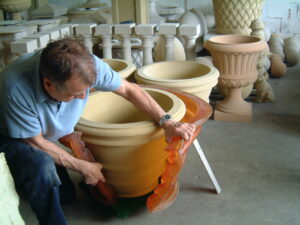
Unlike natural stone, cast stone is produced in moulds, allowing intricate architectural details to be created with precision and repeatability. It is commonly used for features such as porticos, window surrounds, window cills, copings, pier caps, balustrades and other decorative or structural elements on both new-build and renovation projects.
For more information, you can find out more about cast stone here.
Frequently Asked Questions
| Question | Answer |
| Does cast stone crack? | Only if it’s incorrectly installed or unable to accommodate normal building movement. Correct installation, including movement joints, slip planes and suitable sealants, minimises the risk. At Acanthus Cast Stone, our products are manufactured and specified with this in mind. |
| Is cast stone difficult to install? | Not when the correct techniques are followed, though it does require experience. Features like porticos, window cills, coping stones and pier caps need to be correctly specified and installed for proper movement, drainage and long-term performance. |
| Can cast stone be used on renovation projects? | Yes, but weight needs to be considered, as existing buildings may not suit full-sized units fixed directly to the exterior. An experienced manufacturer can advise on solutions such as thinner units or integrating cast stone into new masonry work. |
| Does cast stone have longer lead times than other materials? | Bespoke cast stone can have longer lead times, since each product is individually designed, moulded and manufactured. Planning early and confirming designs before production begins helps avoid delays. |
| How does cast stone compare to natural stone? | Cast stone offers a similar appearance to natural stone at a lower cost, with more consistency and design flexibility since it’s produced in moulds rather than quarried and carved. Natural stone remains the preferred choice for heritage or listed buildings where material authenticity is a requirement. |
| Is cast stone worth the investment? | For projects where appearance, durability and architectural detail matter, yes. It offers the look of natural stone at a more affordable price and can add real kerb appeal and value when correctly specified and installed. |
Common Disadvantages of Cast Stone and How to Overcome Them
Understanding the potential challenges of cast stone is essential when planning your project. Below, we explore the most common disadvantages and explain how they can be overcome to ensure a successful installation.
Cracks Developing
One of the most commonly perceived disadvantages of cast stone is the risk of cracking. In my experience, though, cracks are rarely caused by the cast stone itself. They’re almost always down to incorrect installation or natural building movement.
It comes down to a lack of knowledge of how buildings interact with the environment. All masonry materials shrink and contract at different rates depending on the weather. You need slip planes between the stone, or movement joints within the masonry, to allow the building to move, even though you won’t see it with the naked eye. Buildings do move, and that’s generally what causes most of the cracks. The other big cause is settlement. Many people don’t realise how much buildings can settle, and that’s another major cause of cracking in stone.
Window cills are among the most common areas where I see installation mistakes. While fitting a cast stone cill may appear straightforward, it requires the correct installation techniques to allow for movement. A lot of builders think it’s just a case of laying a bed of mortar, bedding the cill and carrying on. But there are technical details that have to be followed to make sure it doesn’t crack.
If a customer tells me their window cill has cracked down the middle, I know straight away it has been installed incorrectly. Because the stone shrinks and contracts differently to the brickwork around it, if it’s held rigid it can’t move, so it cracks at its weakest point. Slip planes and mastic sealant need to be incorporated to allow the cill to move independently.
How to Prevent Cast Stone Cracking
The best way to prevent cracking is to ensure cast stone is installed in accordance with the manufacturer’s guidance. Incorporating movement joints, slip planes and appropriate sealants where required allows the stone to expand and contract naturally while accommodating normal building movement. Working with experienced installers and following best practice will significantly reduce the likelihood of cracking and help ensure your cast stone performs as intended for decades.
Common Installation Mistakes
Many of the issues associated with cast stone aren’t caused by the material itself but by poor planning or incorrect specification. Taking the time to choose the right product for your property and ensuring it’s installed correctly can help prevent costly alterations later.
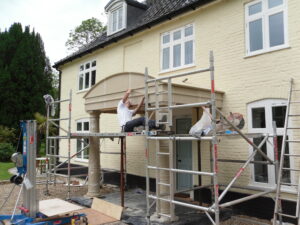
One area where this is particularly important is porticos. In my experience, homeowners often focus on the appearance of a portico without considering whether their property is suitable for one.
Lack of space is probably the biggest one. Believe it or not, people will just look at their house and think, “I want one of your porticos on the front of my building.” They don’t take into account how tall porticos are. Quite often there’s not enough room between the top of the ground floor door and the window above it. Some houses also aren’t suitable as they are. For example, if there’s a sloping roof above the door, that roof usually needs to be removed, and new masonry built before a portico can be installed.
People will just look at their house and think, ‘I want one of your porticos on the front of my building,’ without taking into account how tall porticos actually are.
The same level of planning is important when picking coping stones and pier caps. I always recommend ensuring coping stones are wide enough to fully protect the wall beneath and include the correct fall to direct rainwater away from the masonry. Choosing a coping stone that is too narrow or completely flat can reduce its effectiveness and allow water to run down the face of the wall.
Similarly, pier caps should have an adequate overhang to help prevent rainwater from running down the brick pillar, reducing the risk of staining and weather damage over time. If decorative lighting is being installed, I’d also recommend selecting flat-topped pier caps with a pre-formed hole for electrical cables, creating a cleaner finish and avoiding the need for modifications after installation.
How to Avoid Installation Mistakes
The best way to avoid installation mistakes is to seek advice before placing an order. An experienced cast stone manufacturer like Acanthus Cast Stone can recommend the correct dimensions, profiles and installation methods for your project, helping to ensure each component fits properly, performs as intended and enhances the appearance of your property for years to come.
Cast Stone Weight
One of the practical considerations when choosing cast stone is its weight. While its density contributes to its strength, durability and premium appearance, it also means that installation needs to be carefully planned, particularly on renovation projects.
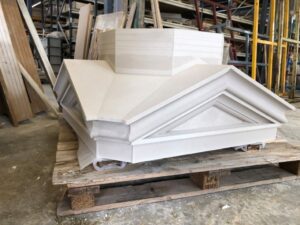
Unlike new-build developments, where cast stone can be incorporated into the design from the outset, existing properties often present structural limitations.
One of the most common misconceptions I come across is that cast stone can simply be fixed to the exterior of an existing building. In reality, the weight of traditional cast stone means this approach is rarely suitable.
Renovation projects often require much thinner cast stone units to reduce the load on the existing structure. In many cases, the preferred solution is to remove sections of the existing masonry so the cast stone can be integrated into the building rather than simply fixed to the façade. This approach provides a more secure installation and helps maintain the long-term performance of the product.
How to Plan for Cast Stone Weight
The best way to overcome weight-related challenges is to involve your cast stone manufacturer at the earliest stage of the project. We can assess whether cast stone is suitable for the application, recommend the most appropriate product specification and advise on the safest installation method. By considering structural support from the outset, you can avoid costly changes during construction and ensure your cast stone installation is both durable and visually impressive.
Lead Times Can Be Longer Than Off-the-Shelf Alternatives
Unlike off-the-shelf building materials, bespoke cast stone is manufactured to order. While this allows for greater design flexibility and a precise fit, it can result in longer lead times.
At Acanthus Cast Stone, around 30–40% of the products we manufacture are bespoke. Because each piece is designed, manufactured and quality checked to meet the project’s exact requirements, production naturally takes longer than our standard, off-the-shelf alternatives.
How to Avoid Delays with Bespoke Lead Time Delays
Planning ahead is the best way to avoid delays. Finalising specifications early and choosing an experienced supplier will help keep your project on schedule. If you’re considering a bespoke design, read our Ultimate Guide to Bespoke Cast Stone to learn more about the process and what to expect.
Why Many Builders Still Choose Cast Stone
Despite these considerations, cast stone is a popular choice for building contractors, architects, property developers and homeowners because its benefits outweigh the challenges when the material is correctly specified and installed.
Cast stone provides the appearance of natural stone at a more affordable price, while offering the flexibility to create detailed architectural features that add wow factor, kerb appeal and long-term value to a property. With the right planning, professional installation and expert advice, cast stone can provide a durable and attractive solution for both new-build and renovation projects.
| Benefit | Why It Matters | How to Maximise It |
| Affordable alternative to natural stone | Achieves the look of natural stone at a more accessible price. | Choose the right product for your project and budget. |
| Adds wow factor and kerb appeal | Creates impressive architectural features that enhance a property’s appearance. | Select features that complement the building’s style. |
| Can increase property value | High-quality architectural details make homes more attractive to buyers. | Invest in well-designed features and professional installation. |
| Durable and long-lasting | Built to withstand the UK’s climate with minimal maintenance. | Follow the manufacturer’s installation guidance. |
| Bespoke and versatile | Manufactured to suit a wide range of architectural styles and project requirements. | Finalise specifications early to avoid delays. |
Tips for Getting the Best Results from Cast Stone
Following best practices during the planning, specification and installation stages will help you get the most from your cast stone products while avoiding common issues.
- Choose the right cast stone products for your project by considering the style of your property, the intended application and the level of detail required.
- Plan bespoke designs early, as made-to-order products require additional time for design, mould creation and manufacture. Read our Ultimate Guide to Bespoke Cast Stone for more information on the process.
- Use experienced installers who understand the importance of correct installation techniques, including movement joints, slip planes and suitable sealants. Our Cast Stone Installation Guide provides further advice.
- Specify the correct dimensions for products such as window cills, coping stones and pier caps to ensure they perform effectively and complement the building design.
- Consider weight and structural requirements, especially for renovation projects where existing buildings may require additional planning.
- Seek expert advice before ordering to ensure products are suitable for your project and avoid costly changes later.
- Allow sufficient lead times, particularly for bespoke cast stone features that are manufactured specifically for your requirements.
- Maintain your cast stone correctly with appropriate cleaning methods to protect its appearance and longevity. See our Complete Guide to Cleaning Cast Stone for advice.
- Work with an experienced cast stone manufacturer such as Acanthus Cast Stone that can provide technical guidance, bespoke design support and products manufactured to recognised quality standards.
By following these steps, you can minimise potential challenges and ensure your cast stone delivers the durability, character and architectural impact that makes it such a popular choice for residential and commercial projects.

Key Takeaways
- Cast stone cracking is usually caused by incorrect installation rather than the material itself.
- Correct specification is essential for features such as porticos, coping stones and pier caps.
- Weight should be considered when using cast stone on existing buildings.
- Bespoke cast stone requires additional manufacturing time but allows greater design flexibility.
- Cast stone provides the appearance of natural stone while offering a more affordable and versatile solution.
- Working with an experienced manufacturer helps ensure long-lasting results.
Why Choose Acanthus
While cast stone has some considerations, such as correct installation, product specification and planning for bespoke designs, working with an experienced manufacturer helps ensure the best possible results.
At Acanthus Cast Stone, we combine traditional craftsmanship with modern manufacturing techniques to create high-quality cast stone products for both new-build and renovation projects. With expert advice, bespoke capabilities and products manufactured to recognised industry standards, we help customers overcome common challenges and achieve a long-lasting, high-quality finish.
Our products are completely frost-proof and manufactured in line with the performance requirements of BS 1217 Cast Stone, the UKCSA Specification for Cast Stone and NBS Clause F22, providing confidence in their quality and durability.
Our Range Of Cast Stone Products
From porticos to coping stones, pier caps and gate pillars, our extensive range of cast stone products can be tailored to suit your property’s style, requirements and budget.
Our bespoke manufacturing capabilities allow us to create unique architectural features that add character, kerb appeal and wow factor to both traditional and contemporary properties. Whether you are enhancing a new-build home or restoring a period property, our products provide a durable and cost-effective alternative to natural stone.
Our Colour Options
We offer a wide range of natural stone colour choices to help you choose the right colour for your project. We have created a blog to help you through the process.
To help you choose the right finish, we offer free samples so you can see and feel the material before ordering. This allows you to assess the texture, colour and appearance and ensure it complements your dream design.
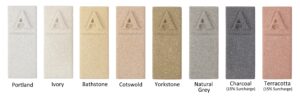
Most of our cast stone colour options are available at no additional cost, with a 15% surcharge applying to Charcoal and Terracotta finishes.
Conclusion
While cast stone has some considerations, these can be easily overcome with careful planning, correct installation and expert advice. By choosing the right products and working with an experienced manufacturer, you can enjoy the durability, versatility and wow factor that makes cast stone a popular alternative to natural stone.
For further information on our cast stone products or to request a quote, feel free to contact one of our friendly Acanthus team or call us on 01773 504704.